The title for this entry came from a daily blog/newsletter I subscribe to called “Things I Think I Think” by Mark Horstman. You may know Mark from the Manager Tools podcast series (if you don’t you should!) and being a former army officer he is usually pretty point blank with his opinions and advice. However, as evidenced by the title and this graphic from Manager Tools, he is also is open enough to admit that there is a lot of stuff he doesn’t even know that he doesn’t know.
This past semester at school has been an experience like this. While there are things I have learned about learning which confirmed what I feel quite certain about, I am never too quick to announce the certainty of something I think I may have learned. Anyone who has been in education knows that there are too many moving parts and factors in the equation to be certain that something will be true 100% of the time. However, like Mark, saying that there are things I think I’ve learned also represents that there are things that the combination of research and experience tells us are true. In the three parts of this blog over this first month of the year, I will describe three things I think I’ve learned from this past semester and apply to this current age we are living in. The first is about the social aspect of learning, the next are some thoughts about online learning from the perspective of both a student and teacher, and the third about some next steps forward for education as we prepare for the post-COVID era.
The first thing I think I’ve learned about learning is about the social component of learning. David Brooks writes in a recent NY Times column that “people change when they are put in new environments, in permanent relationship with diverse groups of people” and describes how learning with others is superior to traditional modes of direct instruction or training. Learning is best seen in this way as a team sport and while this is an intuitive idea, it has also been formalized by learning theorists in various ways one of them being Communities of Practice or CoPs. Wenger and Lave https://wenger-trayner.com/introduction-to-communities-of-practice/ are the theorists usually credited with this idea and describe CoPs in three specific dimensions.
The first dimension is the common interest of the members involved in the community, referred to as the domain, and defines what the community of practice cares about. These would be things such as photography or a public speaking or even a sport. The second dimension, called community, talks about the quality and depth of relationships which create the bonds between members and the resulting connections formed as a result. The third dimension of practice develops as knowledge within the community is built through the social and shared learning activities that group members participate in together. If you think about it, you are probably now or have been involved in a community such as this whether as part of a hobby, social or church group in the past. Think about how much you learned as a result of the interplay of the common interests, relationships, and common activity which occurred in these groups and how this shared experience has spurred you on to further learning or maybe even driven a specific career pursuit or personal passion.
I know what you are thinking, this all sounds great but how does this work in an age of online learning? We will look further at online learning in Part 2, but communities of practice are and have been popping up online in the past few years initially to connect people separated by geography and now are growing in number further as a necessity of the times. Online communities include all three features of person-to-person CoPs (that’s domain, community, and practice) but instead of occurring face to face happen in a virtual format. For myself in these recent times, I have been surprised and gratified from my own experience by the amount of online community which can develop whether it be withing an online class or from something external to a class. My own experience arriving at university and not knowing a soul and only being able to get to know teachers and fellow students from an online experience confirms for me that community and connections can be developed online. Even though separated by time and distance, our common interest of learning the subject matter, combined with our regular online gatherings and the activities which we have been able to complete together, have resulted in a remarkable degree of connection and learning for myself and I believe for my fellow students also. I can say with confidence that in each of the classes a community of practice was established and the interaction which occurred online was a key component of the learning process. The good news arising from this is that we shouldn’t feel that we have to wait for face to face interaction again to benefit from the social component of learning, however the structure of these online communities does have to be shaped with intention which will be discussed further. I will write more about this in Part 2 of Things I think I’ve learning about learning when we discuss the topic of learning online.
 Message to the Class of 2020: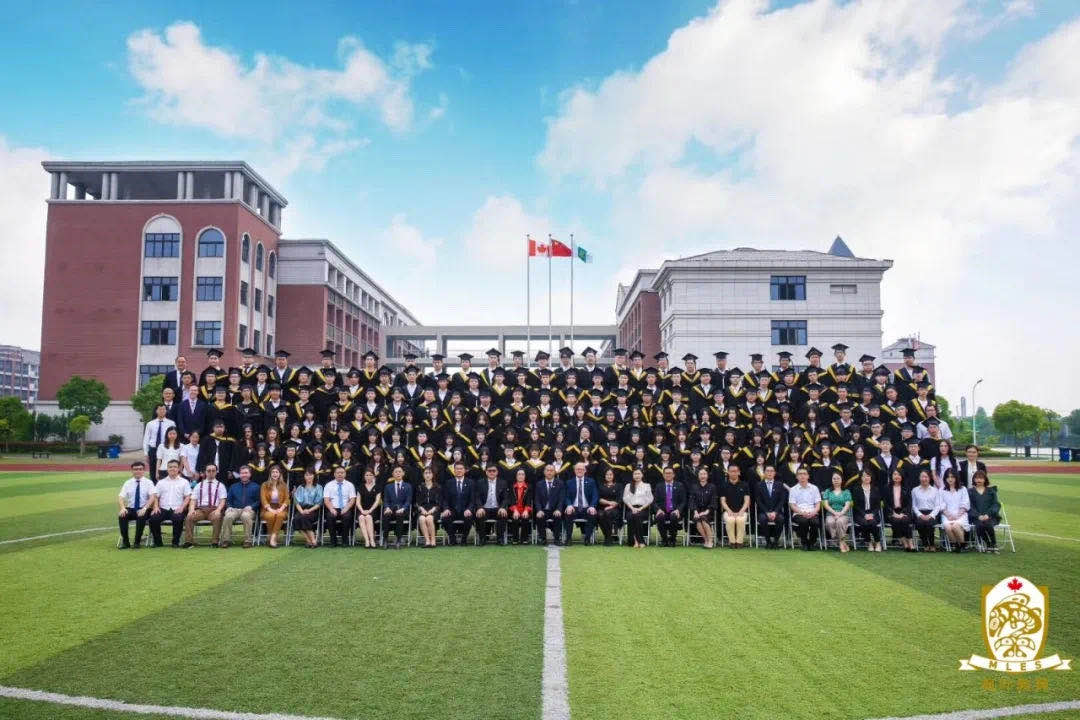






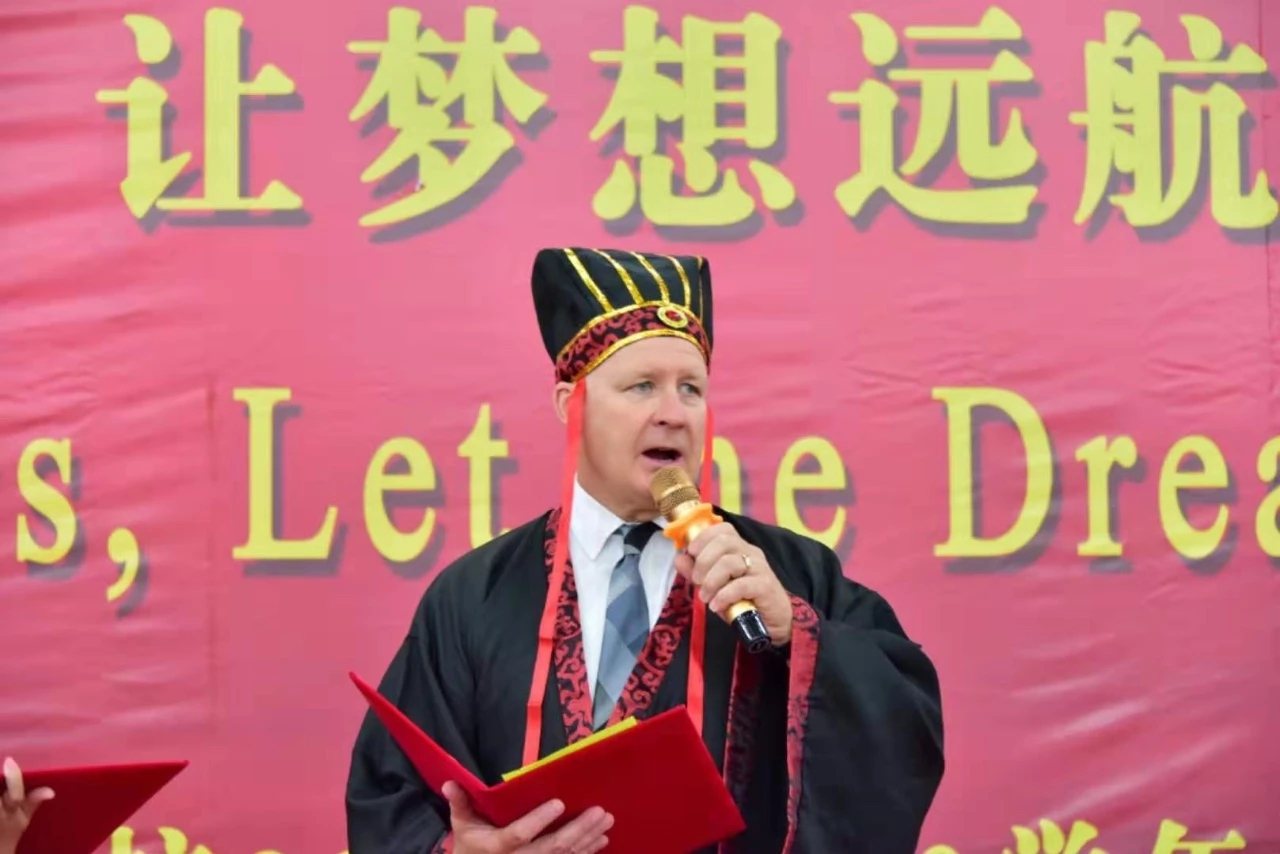 This speech was shared at the Opening Ceremony of Maple Leaf International School – Shanghai on September 2, 2019. It was inspired by this
  All young boys have a dream of holding a real, live bow in your hand; grasping the arrow between your index and middle fingers, pulling back with all your might and then letting go and hitting the bullseye, or so goes the dream. Often times the actual experience is that the arrow hits the ground a few metres in front of you or goes sailing by the target into a well-positioned hay bale. You try and try and try again until your fingers hurt, and you don’t think you will ever be able to hit the paper target anywhere, much less scoring a bullseye, but with time and practice (and more pain), eventually you get closer and closer to hitting the middle ring and reaching your dream of hitting the target and accomplishing something meaningful.
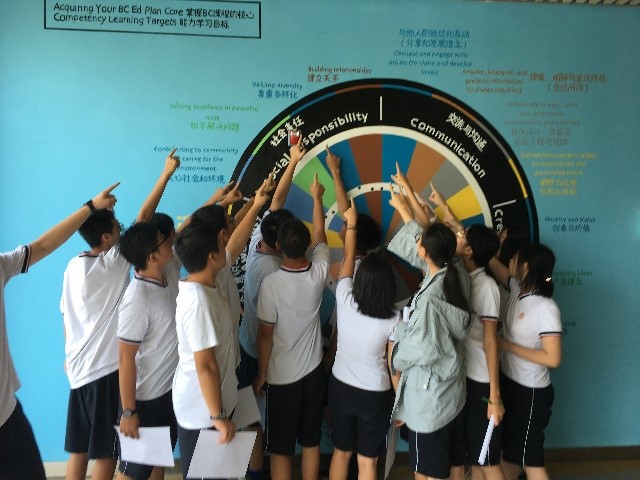 One way that we did this was to feature one of the parts of the six competencies to focus on as a monthly theme called “What is Your Learning Target?”. Each month students completed a specific activity connected to one of these competencies and then gathered evidence to show ways that they had grown in this competency area. They then did a short self-assessment of what they learned and what they need to further accomplish so they can meet the intended learning target. At the end of the school year, students completed a summary of each of the Learning targets in the Communication competency.
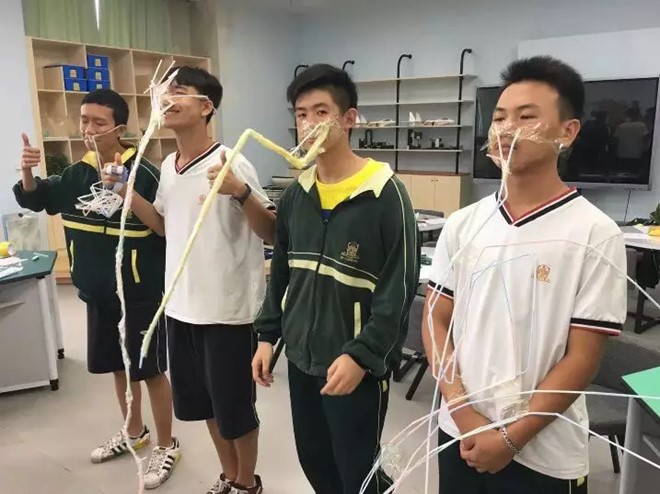 Students participated in three activities called the “Leaning Tower,” “Marble Drop” and “Pinocchio” and were each encouraged to use their own creative ideas to solve the problems, but of equal importance was helping others to make their ideas better. When working in groups, students (as well as many adults) aren’t always able to encourage others to make their ideas better. They usually either reject them completely, or agree without adding ideas to make the better. Being able to generate your own ideas and then help others make their ideas better is an important skill for life and an important part of the creative thinking competency. This activity was very practical way of helping students develop their ability to generate ideas to solve a problem and work with a group of others to help solve a problem.
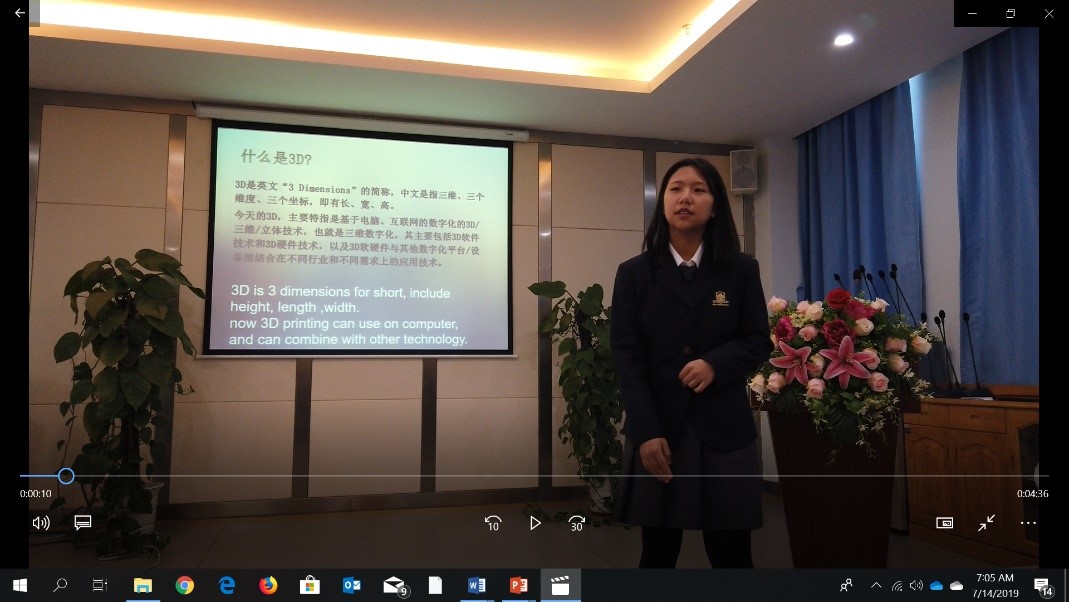 Another example of students reaching their Learning Target was The Ignite Inquiry week which happened at the end of the first semester. This activity arose from the learning target of “Acquiring, Presenting and Interpreting Information” from the Communication competency area. An Inquiry is learning which is organized around a question which is generated by the learner and not the teacher. It should be something which the students are interested in, are able to research, and then draw some conclusions from and also provide some ideas for further learning or inquiries. We drew on the knowledge and five-step process developed by the Pacific School of Innovation and Inquiry (PSII) in Victoria, BC and appreciated the input of the school founder and Principal, Jeff Hopkins as we designed our week of Inquiry.
 Students received awards for the Top Technical presentation (Architecture), Most Entertaining (Food Colour and Taste) and for finishing in the Top Three were able to present their Inquiry to the parents at the Parent Meeting to end the semester the next day. It was great to hear the presentations from all of our students (in English and using no script!) about a topic they had chosen and learned about with support from teachers. This activity showed students how to turn their own interest into something they can learn about and communicate to others. Inquiry will continue to be a learning method used at our school to connect BC Curriculum, Learning Targets, and student areas of interest.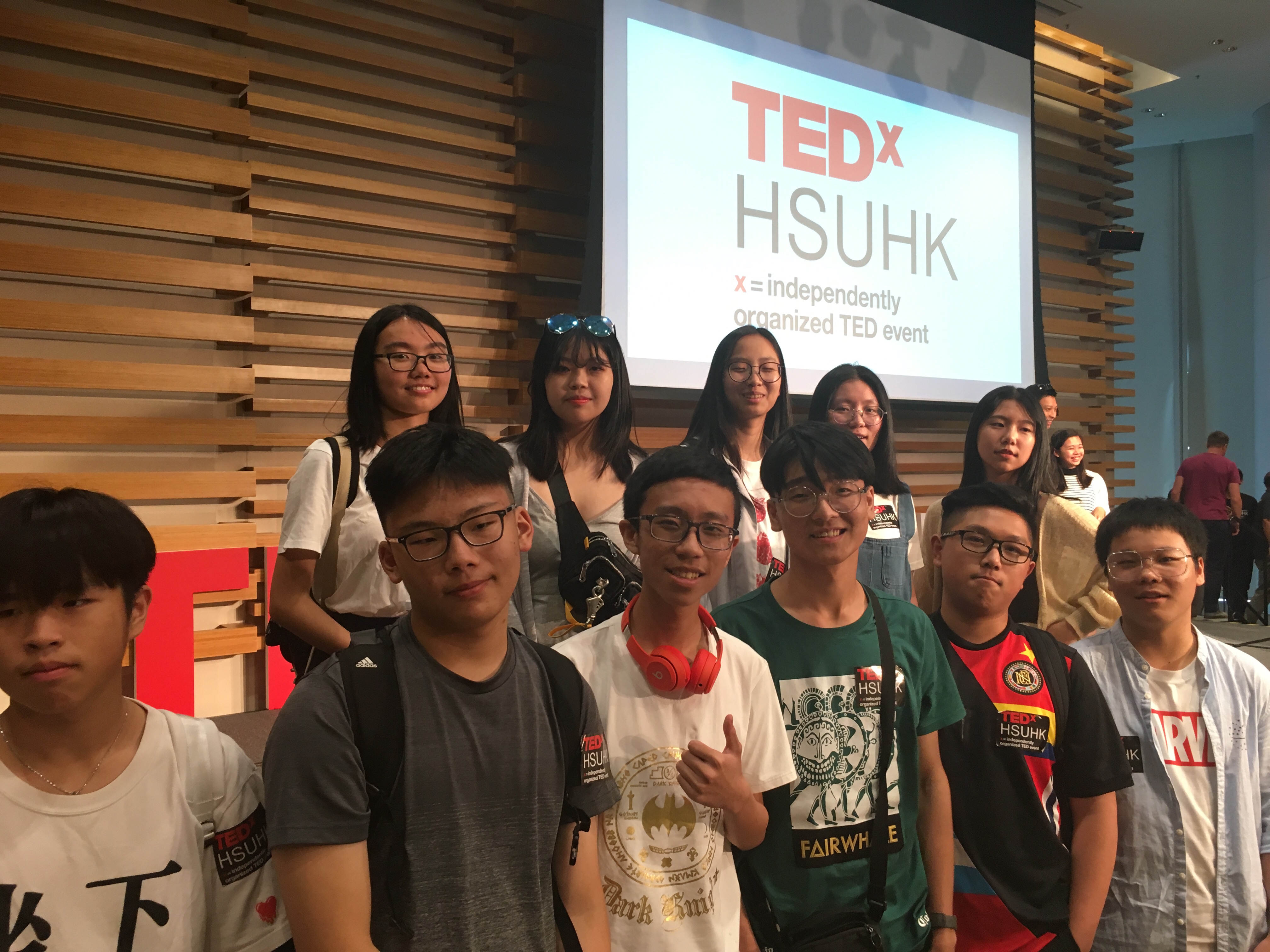
 Learn 4 Forever